This post contains no affiliate links today. If that ever changes, I will say so right here, at the top of the post. This reflects real travel experience and research, not a promise that any one system works for every bag.
How to use packing cubes to stay organized usually gets answered with a shopping list: buy a set, done. The part that actually determines whether a bag stays organized for an entire trip is the SYSTEM behind the cubes, not the cubes themselves. One veteran of six backpacking trips of three to five months each argued in an r/solotravel thread that the difference between a 45-liter and a 70-liter pack “is not that big” once the bag gets checked anyway. The logic only holds for checked luggage. On a carry-on-only trip, how the space inside actually gets organized is the whole game, and that is exactly what packing cubes are for.
The short version: How to use packing cubes to stay organized comes down to one cube per category, not per outfit, sized to the trip length rather than the bag size, with the heaviest cube packed closest to your back. Get that system right once and it repeats on every trip after.

Save this for later
You will want this again. Pin it to your planning board so it is one tap away when you need it.
Pin it for later1. One Cube Per Category, Not Per Outfit
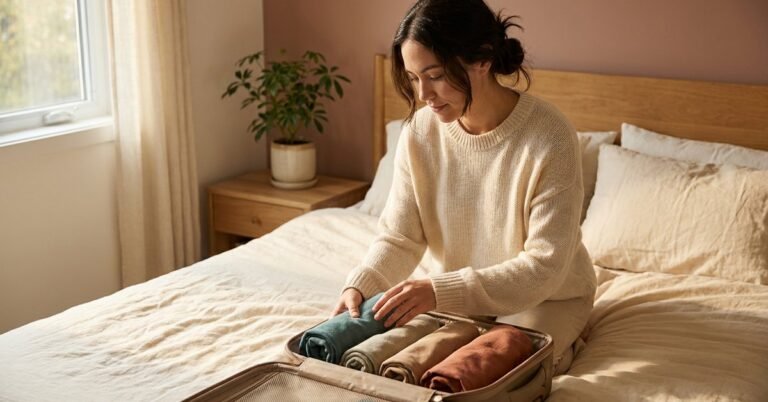
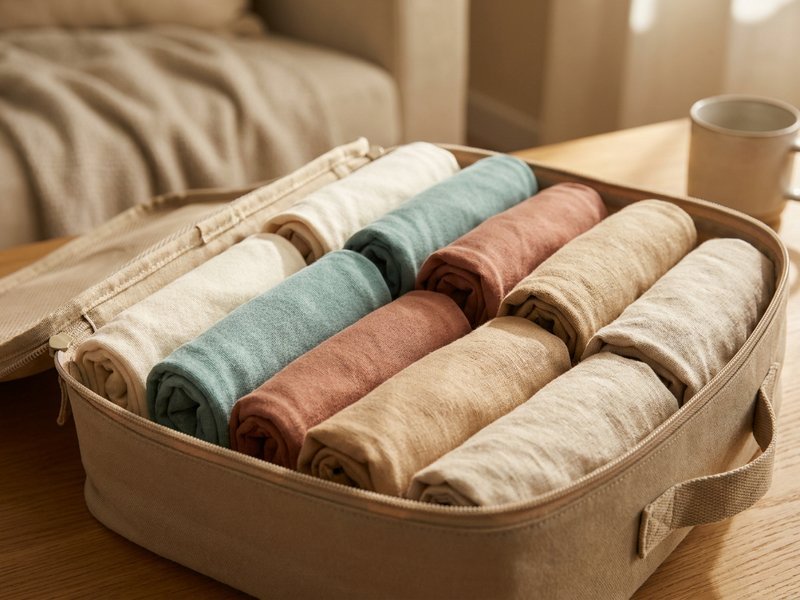
Sorting packing cubes by clothing CATEGORY, tops in one, bottoms in another, underwear and socks in a third, works better than trying to pack a full outfit into each cube. Category sorting means finding a specific item takes one glance into one cube, instead of unpacking three “outfit” cubes to locate a single missing sock. This is step one of how to use packing cubes in a way that actually holds up past day three of a trip.
2. Size the Cubes to the Trip, Not the Bag
A trip under 9 days needs a genuinely small set of cubes, not the largest sizes that happen to fit the suitcase. One traveler whose solo trips run up to 9 days packs 3 tops, 2 bottoms, 4 sets of underwear, and 1 outer layer, with no makeup at all and only travel-size toiletries, because the plan includes doing laundry once or twice along the way. Is that too little for over a week? It works specifically because the cube system makes rewearing the same small set of pieces easy to track.
What Actually Changes on a Longer Trip
The cube count barely grows even when the trip does. One extra cube for a second week of underwear, or a slightly larger laundry-day gap, covers most of the difference between a 9-day trip and a 3-week one.
3. How to Use Packing Cubes for Re-Wearing, Not Just Organizing
Packing cubes solve the ORGANIZING problem, not the volume problem, which is why a single carry-on can realistically cover a 3-week trip once both pieces are in place. One woman who traveled alone through Europe put it directly, according to an account she shared: packing cubes handle the organizing, and past that she simply re-wears clothes, because nobody is tracking what she wore three days ago. The moment she stopped treating every day as needing its own outfit, fitting three weeks into one carry-on stopped feeling like a stretch.
4. Put the Heaviest Cube Closest to Your Back
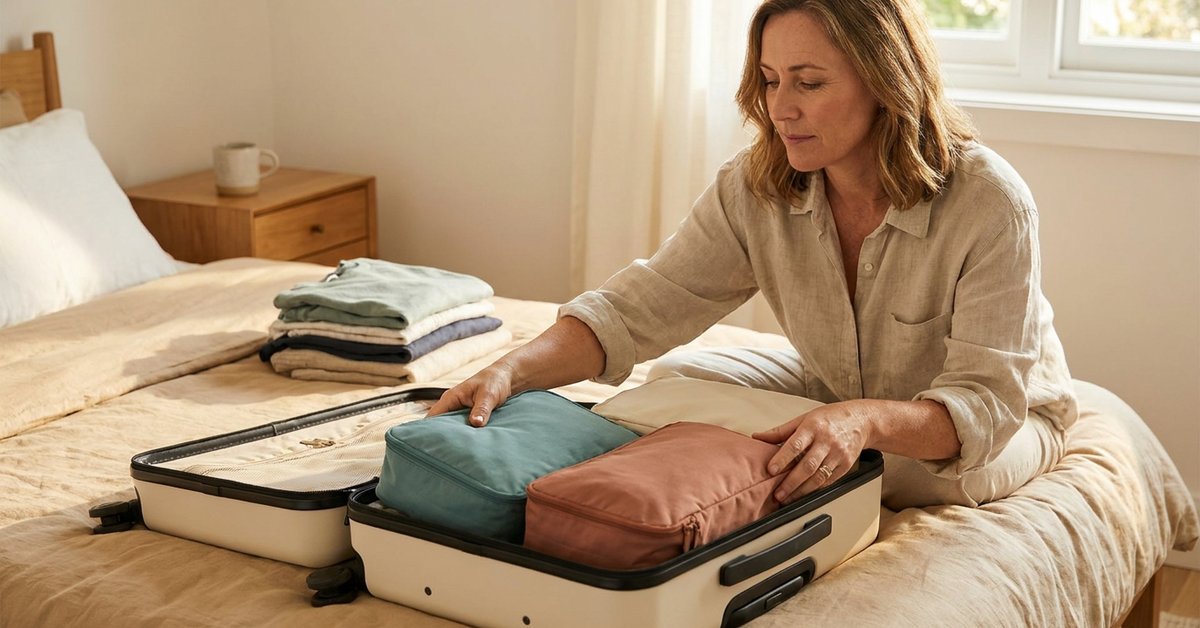
Loading the heaviest packing cube against the panel that sits closest to your back keeps a carry-on or backpack from pulling awkwardly to one side. Shoes and any electronics cube are usually the heaviest items in a travel kit; placed against the back panel first, then built outward with lighter cubes, the weight stays centered instead of dragging the whole bag off balance. This is the step most guides on how to use packing cubes skip entirely, even though it is the difference between a bag that carries evenly and one that tips.
5. A Separate Toiletry Cube Saves the Rest of the System
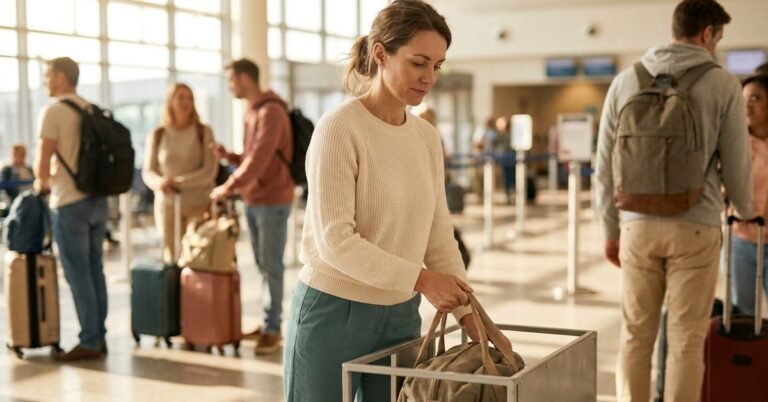
Keeping toiletries in their own dedicated cube, separate from clothing cubes entirely, contains any leak before it reaches a single piece of clothing. The TSA’s 3-1-1 liquids rule caps carry-on liquids at 3.4 ounces per container anyway, Worth a whole separate cube just for that? Yes — which conveniently keeps a toiletry cube small enough to slide out fast at security without unpacking the rest of the bag.
How Do You Use Packing Cubes to Stay Organized on Every Trip?
Sort by category, size the set to the trip length, and put the heaviest cube against your back, then repeat the same system on the next trip without rethinking it. Does the system need to change for every destination? Rarely. The categories stay the same; only the number of tops or the outer-layer weight shifts with climate.
A backpacker three months into an extended trip that crossed several seasons described the one rule that kept her cube system honest: every item without exception had to go with everything else, so nothing earned a spot in a cube just because it was a favorite. Is one rule really enough to hold a whole system together? For her it was. Where she did not cut back was underwear, packing enough that hand-washing, her least favorite chore, happened only once every two weeks. That single trade-off, more of one low-weight item in exchange for less laundry, is the kind of decision a cube system makes easy to see and easy to adjust.
Packing cubes will not fix a bag that is simply too full. They fix the ten minutes every morning spent digging for one shirt at the bottom. Knowing how to use packing cubes well is really just knowing your own categories once and trusting the system on every trip after, instead of re-deciding how to pack from scratch each time. Set the categories once, and every trip starts already organized before the first item goes in.
Anyone ready to build the wardrobe that goes inside the cubes can read 12 genius packing cube hacks to fit more in your bag, or start with the carry-on packing hub for the full list of guides on this site. For the toiletry side of the system, 8 toiletry bag essentials for stress-free travel and 10 minimalist packing ideas to travel with just a carry-on are both live on the blog.
Found this helpful? Pin this guide so you can come back to it anytime.
Frequently Asked Questions
How do you use packing cubes to stay organized?
Sort by clothing category rather than by outfit, size the set to the trip length, and load the heaviest cube against the panel closest to your back so the bag stays balanced.
How many packing cubes do you actually need?
For most trips under two weeks, 3 to 4 cubes covers it: one for tops, one for bottoms, one for underwear and socks, and one for toiletries kept separate from clothing.
Should toiletries go in the same cube as clothes?
No. A dedicated toiletry cube contains any leak before it reaches clothing, and it slides out fast at airport security under the TSA’s 3.4-ounce liquids rule.
Do packing cubes actually save space in a suitcase?
Not dramatically on volume, but they solve the organizing problem: finding one item takes a glance instead of unpacking the whole bag, which is what makes a small carry-on livable for a long trip.
Where should the heaviest packing cube go in the bag?
Against the panel closest to your back. Shoes and electronics are usually the heaviest items, and placing them there first keeps the bag from pulling to one side.