This post contains no affiliate links today. If that ever changes, I will say so right here, at the top of the post. Every story below comes from a woman who actually lived it and reported back, not a hypothetical.
How to travel cheap without sacrificing the experience comes down to one shift: stop cutting the parts of a trip that make it memorable, and start cutting the parts that just make it convenient. A couple seven months into a two-year trip across Asia keeps their joint spending near $1,000 a month by living in an overland camper, about half of it going to diesel. The trip is not shorter or smaller for it. It is just built differently.
The short version: Travel cheap without sacrificing the experience by cutting structure, not richness: book short stretches instead of one fixed itinerary, let the trip length match your actual energy, and spend on the one thing that protects the experience, like a safe bed or working gear, before anything else.


Save this for later
You will want this again. Pin it to your planning board so it is one tap away when you need it.
Pin it for laterHow to Travel Cheap Without Sacrificing the Experience
The real lever is not the destination, it is the structure around it: how long you stay in one place, how far ahead you lock plans, and how much you let the trip flex once you are already there. A rigid, fully pre-booked itinerary tends to cost more, since every change becomes a cancellation fee. A loosely structured one lets the traveler chase whichever version of the trip is actually cheapest that week, hostel, neighborhood, or season.
Why does flexibility save more than any single discount? Because the biggest costs on a trip, a wasted night, a change fee, a rebooked ticket, almost always come from a plan that could not bend when real life did.
Why Cheap Trips Often Feel Smaller Than They Need To
A trip feels small when every dollar saved also quietly removes a piece of the experience, not just the expense. That trade-off is optional far more often than budget guides admit. Is a $20-a-night room always a worse experience than an $80 one? Not necessarily, since the difference between a cheap trip that feels full and one that feels thin usually comes down to which specific costs got cut, not how many.
The Daily-Spend Trick That Keeps Long Trips Affordable
Booking only 2 to 3 days at a time, instead of a fixed route, is what lets a long trip stay cheap without feeling rushed. One traveler who planned a 6-month solo trip at 24 ended up stretching it to 2 years using exactly this method: never locking herself into a full itinerary, extending whenever she liked a hostel, a neighborhood, or the people around her. She also did extended Workaway stays, since lodging and food are the two biggest line items on any trip, and those stretched her money enormously. Over 8 months she spent about $3,000 total.

Does Booking Short Stretches Actually Save Money?
Yes, because it removes the two costs a fixed itinerary almost always creates: a non-refundable night you did not end up wanting, and a rebooking fee when plans change anyway. A 2-to-3-day booking window gives the trip room to follow whatever is actually cheapest and most enjoyable that week.
Small Trips Count as Real Travel Too
A cheap trip does not have to be a long one to count, and waiting for the “real” version of a trip often just means not traveling at all. One single mother who travels often did not take her son on a real trip until he was 8, over safety worries and a sense that he was not yet old enough to enjoy the places. In those years she did day trips instead, a water park or the zoo in areas she already knew, for a lot less money. He loved them, and she could still take her own solo and friend trips without worrying about him. Now that he is older, he loves traveling with her and understands why she waited.

Does a day trip actually teach you anything useful for bigger travel later? It does. The same instinct, pricing a trip to match the traveler’s real readiness rather than an ideal version of it, is exactly what keeps bigger trips affordable too.
What $1,000 a Month on the Road Actually Looks Like
A couple seven months into a two-year overland trip across Asia keeps their combined spending near $1,000 a month by living in a cheaply bought camper instead of paying for lodging every night. About half of that goes to diesel, with the rest covering food and the occasional national-park entrance fee. Renting out their home apartment back home covers most of what the trip costs, which is why the monthly total stays flat even while crossing multiple countries over many months on the road.
Could This Work Without Owning a Vehicle?
Not in the same form, but the underlying principle carries over: letting one fixed cost, a camper, a long-stay rental, a Workaway placement, absorb what would otherwise be dozens of separate nightly charges.
Does Packing Light Actually Lower the Cost of a Trip?
Yes, indirectly: a smaller bag means no checked-bag fees, faster transit connections, and no taxi reserved just because the luggage would not fit on a bus. One traveler has packed light since 2000, long before “onebagging” had a name, choosing a small 30-liter pack for a round-the-world trip through Europe and Asia while others in her hostels hauled 70-liter external-frame packs. Moving with so little, as a woman traveling alone, felt wonderful. Today her bag is down to 24 liters and has carried her on trips up to 2.5 weeks long.
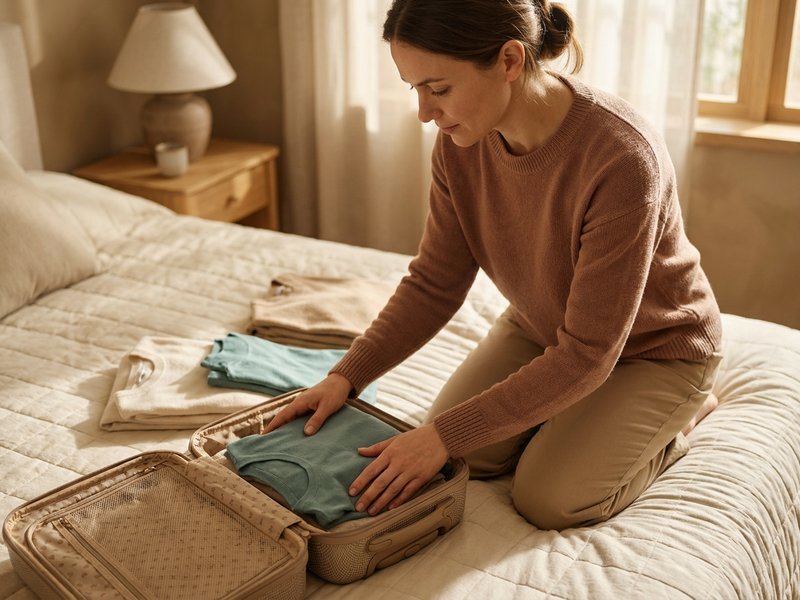
Does packing light mean the trip has to feel sparse? Not necessarily. She admits she still overfills every bag by about 5 to 10 percent, so even an imperfect version of packing light still pays off, mainly by removing fees and friction rather than by living with less.
Where Cutting Corners Actually Backfires
The corners worth protecting are the ones tied to safety and total trip math, not the ones tied to comfort. A tool like Budget Your Trip’s average daily cost data is useful precisely because it prices the whole day, lodging, food, and local transport together, instead of letting one cheap line item hide a more expensive total. Workaway-style stays, listed on sites like Workaway.info, work the same way: they trade a few hours of help for lodging that would otherwise cost real money every night.
Is the cheapest option on paper always the cheapest trip overall? No, and that is exactly the gap a budget-versus-luxury comparison is built to close. This site’s guide to budget travel versus luxury travel walks through that trade-off directly.
What Should You Actually Do This Week?
Book the next stretch of a trip in 2-to-3-day windows instead of one fixed route, and price one full day, lodging, food, and transport together, before deciding what counts as “too expensive.” The shift that keeps a cheap trip feeling full is rarely about spending less everywhere at once. It is about choosing exactly which three or four costs are allowed to flex, and protecting everything else.
Travel cheap without sacrificing the experience starts with structure, not sacrifice. For more ways to stretch a travel budget further, this site’s cheap solo trips under $500 breaks down exactly how far a tight budget can actually go.
Found this helpful? Pin this guide so you can come back to it anytime.
Frequently Asked Questions
What is the single biggest way to travel cheap without sacrificing the experience?
Book short stretches of 2 to 3 days instead of a fixed itinerary, so the trip can follow whatever is actually cheapest and most enjoyable that week. Real accounts show this single shift stretching an 8-month trip to about $3,000 total, mainly by avoiding non-refundable bookings and rebooking fees.
Does packing light really make a trip cheaper?
Yes, indirectly, by removing checked-bag fees, speeding up transit connections, and avoiding taxis booked only because luggage would not fit elsewhere. One long-time light packer still overfills her bag slightly and the savings hold up anyway, since the benefit comes mostly from avoiding fees and friction.
Can a short local trip count as real budget travel?
Yes. One traveler used local day trips for years before her son was old enough for bigger travel, keeping costs low while still getting a real change of scenery. The same instinct, matching a trip’s scale to what is actually affordable and enjoyable right now, is what keeps larger trips cheap too.
Where should you never cut costs on a cheap trip?
Price the full day, lodging, food, and local transport together, instead of judging one cheap line item on its own. The cheapest fare or room on paper can still produce a more expensive total trip once safety, fees, and lost time are added back in.