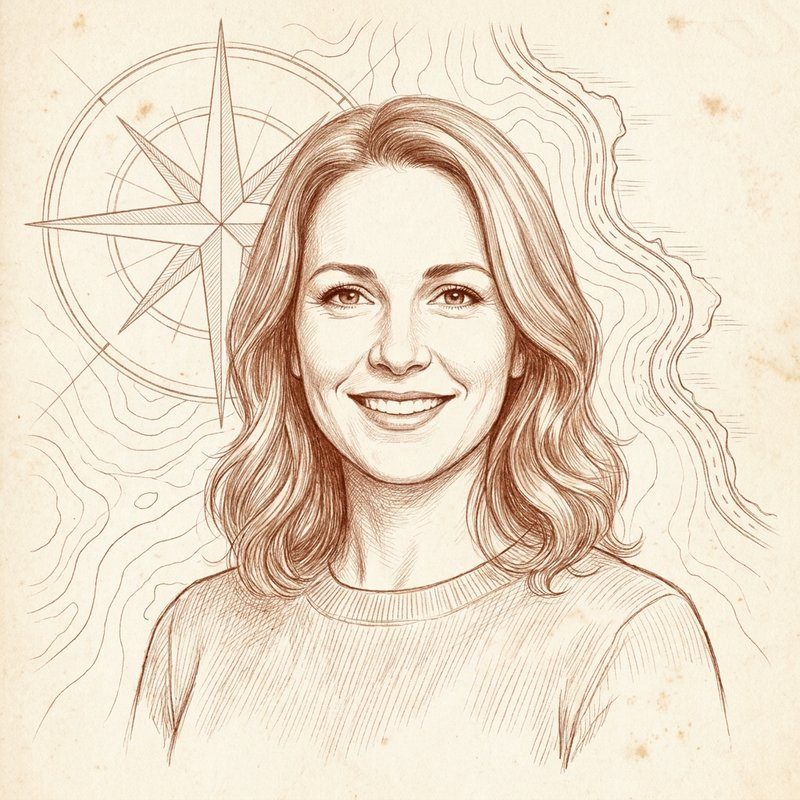
How to design your life starts the moment you stop waiting for permission to want something different. One woman let her passport sit expired for nearly 20 years, married and raising a family, before renewing it last year and taking her first solo trip within the United States. Nothing dramatic forced her hand. She simply decided she was done putting herself on pause and started choosing on her own terms again, one trip at a time.
The short version: Designing a life on your own terms means naming what you actually want, not what you are supposed to want at this age, then making one deliberate choice toward it instead of waiting for circumstances to force a change. The freedom was there all along. Choosing it is the only new part.


Save this for later
You will want this again. Pin it to your planning board so it is one tap away when you need it.
Pin it for laterHow to Design Your Life When No One Is Telling You What Comes Next
Designing a life on your own terms starts with noticing that the old schedule, the one built around other people’s needs, has gone quiet, and deciding what fills that quiet is now entirely up to you. For years, one woman put herself on pause, choosing marriage and motherhood over the solo travel she had briefly tasted in her twenties. She did not resent that choice. But when the quiet finally came, she recognized it as room, not emptiness, and started filling it with something that was hers alone.
Is it selfish to want something just for yourself at this stage? No. Wanting time, a trip, or a project that answers to no one else is not a betrayal of the people you have spent years caring for. It is the next honest chapter, not a rejection of the last one.
Designing Your Exit Can Matter as Much as Designing What Comes After
How you leave a chapter of your life shapes how free you feel starting the next one, which is why one woman spent her final five years at work making herself deliberately hard to replace. She never handed over her full playbook to a coworker, on purpose. So when she and her husband finally hit their financial number in December 2023, management panicked instead of simply letting her go. She offered a trade: three extra months on payroll to train her replacement, in exchange for a payout worth half a year of her salary stacked on top of what she had already earned. They agreed on the spot.
Why Does Negotiating Your Own Exit Count as Designing Your Life?
Because it is the one moment where you get to choose the terms instead of having them handed to you. That single negotiated exit is what let her walk away on the exact day she chose, instead of a date decided for her by someone else’s budget cycle or someone else’s timeline.
What If Fear Shows Up Right When You Try to Choose Differently?
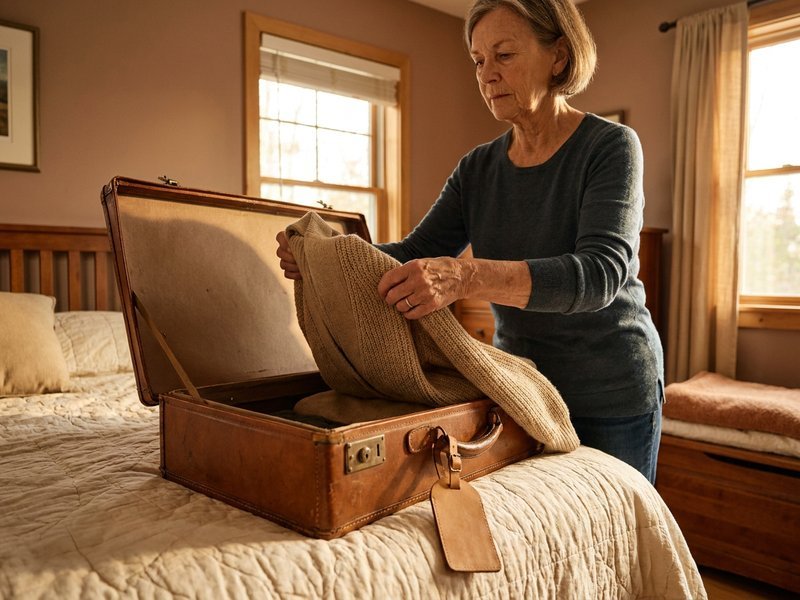
Fear does not disqualify a choice from being the right one, and waiting for it to disappear first usually just means waiting forever. One 78-year-old booked a river cruise through France, with 3 days in Paris and a train ride from Lyon built into the trip. What scared her most was not the unfamiliar country or traveling without her late husband. It was having to lift her own luggage. She decided the one advantage of being older is that people tend to help when you ask, and she is counting on exactly that.
Should fear at that size stop a trip that specific and that wanted? Not according to her own answer. She built the trip around the fear instead of around its absence, which is a different and more honest kind of courage than waiting to feel ready.
Designing a Life Also Means Deciding What You Will Stop Doing
A life redesigned on your own terms is not only about adding new things, it is just as often about subtracting ones that quietly cost more than they are worth. One woman reached financial independence in her early 40s while raising young kids on a single income, and for years leading up to that point she checked her investment accounts multiple times a day and reran her retirement projections more times than she could count.
Looking back, she estimates she spent a thousand hours on modeling and tracking when fifty hours would have covered everything she actually needed to know. Since settling into the life she had designed, she spends at least sixty percent less time on financial admin than she used to, and has not missed a single one of those extra hours. Letting go of the obsessive checking turned out to be as much a part of the redesign as the independence itself.
Reaching a Number Does Not Automatically Answer What You Do Next
Hitting a financial target solves the money question, but it hands you a much bigger, much less comfortable question in its place: what do you actually want to do with the time you just bought back? One person who reached Coast FIRE, the point where an existing retirement fund will grow to full size on its own without further contributions, described turning down five separate offers to simply return to the same kind of role she had just left.
Why Does Having Enough Money Not Settle Everything?
Because the planning work that gets you to a number is financial, and the open question left behind once you arrive is not about money at all. It is about identity, about what fills a Tuesday morning when nothing is requiring it of you, and that question has no spreadsheet that answers it.
You Do Not Need a Finished Plan to Start Designing Your Life
A life on your own terms rarely arrives as one finished blueprint, it arrives as a series of smaller decisions that each point the same direction. Renewing a passport after 20 years, negotiating the terms of your own exit, booking the trip that scares you anyway, letting go of a habit that no longer earns its keep: none of these require the whole plan to be settled first. Each one is a complete decision on its own.
Does it matter which decision comes first? Not especially. What matters is that the decision is actually yours, made on purpose, instead of a default you drifted into because no one asked you what you wanted.

You Do Not Have to Design This Life Completely Alone
Asking for help is part of the redesign, not a sign that the plan has failed. Is leaning on other people a contradiction of living life on your own terms? Not at all. The 78-year-old booking a solo river cruise is counting on strangers to help lift her luggage, and she built that expectation into the plan on purpose instead of treating it as a weakness to hide. Communities built specifically for women starting over, like AARP’s second-act resources, exist precisely because almost no one redesigns a life in total isolation.

What Should You Actually Do This Week?
Pick one decision you have been deferring, a trip, an exit, a habit you are ready to drop, and move it from a vague future wish into an actual date on the calendar. How to design your life stops being an abstract question once you have one real decision in motion. The quiet that follows an old chapter ending is not a problem to solve. It is the space you get to fill on your own terms.
None of the women in this guide waited for a complete plan before acting. They renewed one passport, negotiated one exit, booked one trip, and let go of one habit, and each decision built on the last. For the chapter that often follows a redesign like this, this site’s guide to the best books on reinventing yourself after 40 is worth reading next.
Found this helpful? Pin this guide so you can come back to it anytime.
Frequently Asked Questions
How do you start designing your life when you are not sure what you want yet?
Start with one decision you have been deferring rather than waiting for a full plan. One woman renewed a passport left expired for 20 years and took it from there, letting the next decision follow once the first one was already in motion.
Is it selfish to design a life around what you want at this age?
No. Wanting time, a trip, or a project that answers to no one else is not a rejection of the people you have spent years caring for. It is simply the next honest chapter, built on your own terms instead of a default.
Does reaching financial independence automatically tell you what to do next?
No. Reaching a financial number answers the money question, but the identity question it leaves behind, what you actually want to fill your time with, is separate and often harder. One Coast FIRE earner turned down five job offers before deciding what she actually wanted instead.
What if fear shows up right when you try to make a big change?
That is normal, not a sign to wait. One 78-year-old booked a solo river cruise despite real fear about handling her own luggage, deciding to build the trip around the fear instead of waiting for it to disappear first, and counting on help from strangers along the way.