This post contains no affiliate links. If that ever changes, I will say so right here, at the top of the post.
Cheap hobbies replace an expensive habit only when they occupy the same slot in the week. Swapping a Friday bar tab for a garden you tend on Sunday changes nothing, because Friday is still empty. A reader on a frugal blog described the harder version: over 20 years, the low-cost community options that absorbed the difference stopped being low-cost. This covers what makes a swap hold, 12 hobbies grouped by what they displace, and the 2 costs that decide it.
The short version: A hobby replaces a habit when it fills the same time slot, costs under $40 to start, and can begin within 5 minutes of deciding to. The 12 below are grouped by what they displace: buying things, going out, and screens.

Save this for later
You will want this again. Pin it to your planning board so it is one tap away when you need it.
Pin it for laterWhat makes cheap hobbies replace expensive habits?
A swap holds when the new activity takes the same slot, the same mood, and roughly the same effort as the thing it is replacing. Miss any of those 3 and you have added a hobby rather than removed a cost.
The slot matters most because spending is scheduled, even when it does not feel scheduled. Takeaway happens on the night nobody wants to cook. Online shopping happens in the 40 minutes after the house goes quiet. Those are appointments, and an empty appointment gets filled by whatever is easiest.
What about the mood? A habit that soothes cannot be replaced by one that demands. Scrolling a shopping app at 10pm is not a hunger for objects, it is a hunger for something undemanding, so the replacement has to be undemanding too. That rules out most ambitious hobbies for that particular slot, and it is why so many well-chosen swaps fail in week 2.
Hobbies 1 to 4: instead of buying things
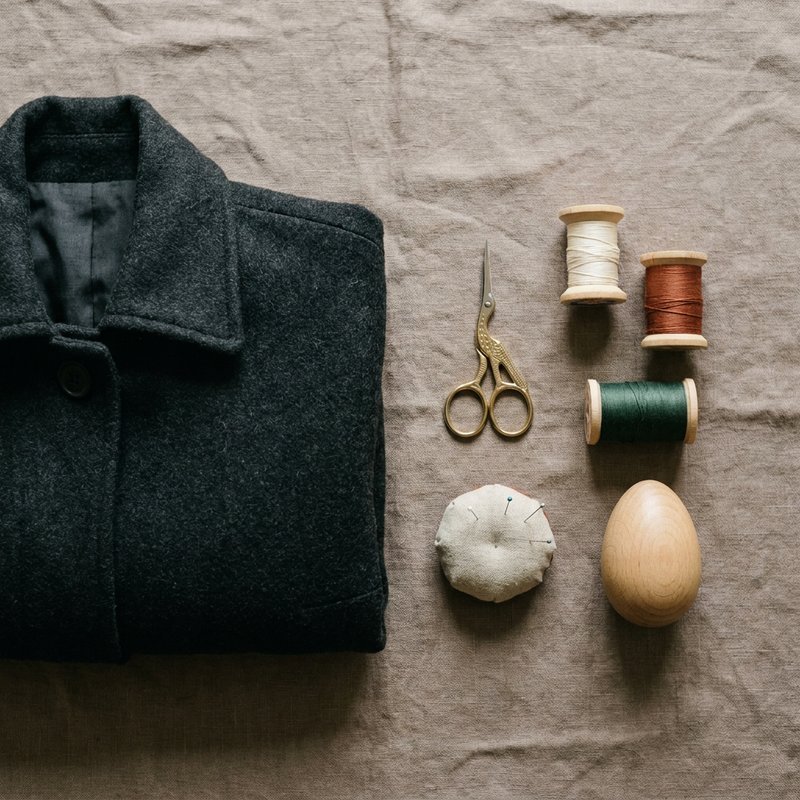
- Mending what you own. A needle, thread, and a darning egg runs about $12 and turns a discard into an afternoon.
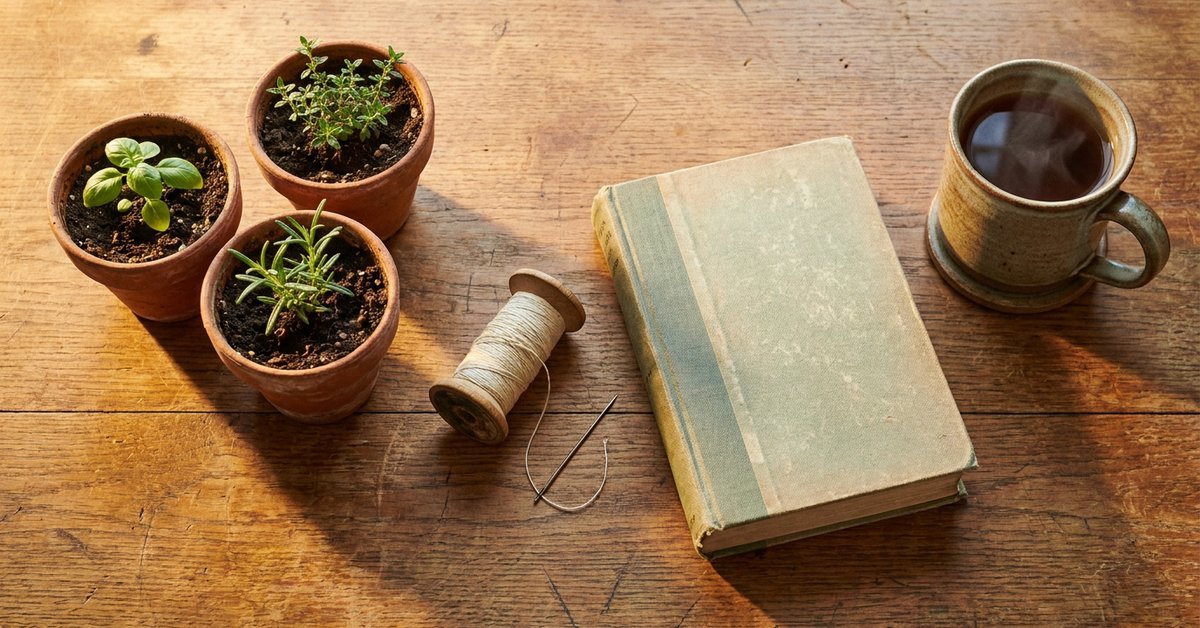
- Growing something you eat. A packet of seeds is under $4, and herbs on a windowsill start returning value in 3 weeks.
- Bread or a simple ferment. Flour, salt, and a jar. The whole appeal is that it takes days rather than money.
- Rescuing furniture. Curbside is free, sandpaper is $6, and one chair fills 2 weekends.
Why do these 4 work against buying specifically? Because each one produces an object. The urge that sends you to a shopping app is often an urge to acquire, and a mended coat or a jar of something scratches it without the transaction.
Number 2 goes considerably further than a windowsill if you let it. One woman describes living on and working her parents’ farm alone while nursing part time. She grows, harvests, and processes her own meat, and she cans, dehydrates, and freeze dries from a 1 acre garden and orchard. Her own verdict is that the equipment matters more than the effort: a steam juice extractor bought from the woman who sold her the first farm, and an attachment on the stand mixer that strips seeds and skins off berries and tomatoes, are what turn a good harvest into food that keeps.
That is the far end of hobby number 2, and it is worth naming for a different reason than aspiration. The gap between a $4 seed packet and a working orchard is 15 years, not a decision, so treat the windowsill as the whole hobby rather than as step one of something larger.

Hobbies 5 to 8: instead of going out
- Walking a route you are mapping. Free, and the mapping is what turns a walk into a project you return to.
- Using a library card properly. Books, but also passes, tools, and classes most cardholders never look at.
- Cooking one new dish a week. Not meal prep. One dish, chosen for interest, on the night you would have ordered in.
- Free museum and park days. Nearly every institution runs them, and almost nobody checks the calendar.
Hobby 6 is the one most people underuse. Beyond books, a card at many systems covers museum passes, streaming, tool libraries, and free classes, and the federal directory of libraries and archives is the shortest route to what yours actually offers. Hobby 8 has a national version too: the National Park Service publishes its fee-free days a year in advance, which is enough lead time to build a weekend around one.
Is a free outing really a substitute for a paid one? Only if you book it like a paid one. A museum day that stays hypothetical loses to a restaurant reservation every time, so put it in the calendar with a time on it and treat it as spent.
Hobbies 9 to 12: instead of screens
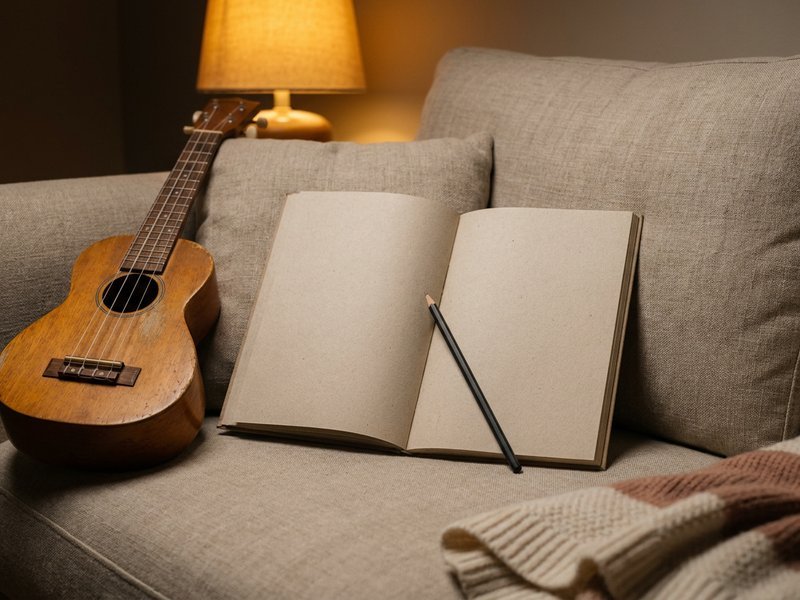
- Drawing badly on purpose. A pocket sketchbook and a pencil costs under $15 and removes the outcome entirely.
- A secondhand instrument. Around $60 for a used ukulele, and 10 minutes a night is a real practice.
- Reading against a hold list. The queue supplies the deadline that a bought book never does.
- Puzzles or board games on rotation. Swap groups mean the same $0 keeps producing new ones.
These 4 share a property the others do not: they work with your hands while your attention is only partly engaged. That is the specific texture of the screen slot, and matching it is why a ukulele succeeds at 10pm where a language course fails.
The 2 costs that decide whether a swap sticks
The startup cost, capped at $40
Above about $40 the purchase becomes the hobby, and the sunk cost turns every skipped session into a small failure. Under $40 you can abandon it without a reckoning, which is exactly the freedom a new habit needs in its first month. Buy the cheapest working version, and upgrade only after 8 sessions.
The friction cost, capped at 5 minutes
Count the actions between deciding and starting. A sketchbook on the coffee table is 1 action. A sketchbook in a drawer in another room is 4, and 4 loses to a phone that is already in your hand every single night. Whatever the hobby is, the entire kit lives where the slot happens.
What the substitution actually saves
A single swap running for a year saves between $400 and $2,000, depending on which habit it displaced. The range is wide because habits are not equally priced, and the expensive ones are rarely the ones people target first.
| Habit displaced | Typical monthly | Yearly | Replacement startup |
|---|---|---|---|
| Two takeaways a week | $180 | $2,160 | $0 to $25 |
| Impulse online orders | $85 | $1,020 | $12 |
| Salon colour every 4 weeks | $120 | $1,440 | $0 |
| Unused subscriptions | $45 | $540 | $0 |
| Weekend outings for 1 | $70 | $840 | $0 to $15 |
How reliable are those figures for a single household? Treat them as the shape rather than the amount. The Consumer Expenditure Survey publishes what American households actually spend by category, and comparing your own numbers against it is a faster diagnosis than any budgeting app.
There is a more radical version of substitution worth knowing about, because it shows the ceiling. Budget guides for a first extended solo trip almost always open with a savings target of $10,000 to $15,000, treating that as the price of entry. One commenter undercut the floor entirely after losing money in a failed business, in her own words: “I use Workaway app, this allows me to find accommodation in exchange for helping out.” Roughly 30 to 90 minutes of daily work at a hostel covered the bed.
What she substituted was not a cheaper purchase, it was participation in place of payment. That is the same move a library card, a swap group, and a free museum day all make at smaller scale, and it is the reason those 3 outperform their price tag by so much.
When free stops being free
The low-cost tier of community life has been quietly repricing for 2 decades, and a plan built on it needs checking rather than assuming. This is the honest caveat on every list like this one.
A reader on a frugal blog put it plainly, and she was not describing a system she had chosen. Packing her lunch, making her own coffee, and repairing things that ripped never felt like frugality to her, she simply did them. What changed was the ground underneath. Across 20 years, prices went somewhere wages never followed, and the community options that used to absorb the difference went up alongside them: trails, the CSA, food salvage, affordable theatre, and the farmers market all stopped being cheap, one by one.
What does that mean for the 12 above? Price the local version before you commit to it. A CSA share, a class, or a maker space in your town can now run 3 times what the same thing cost a decade ago, and the ones on this list that stay reliably low are the ones needing no institution at all: mending, walking, drawing, and cooking.
How long before a swap feels normal
Six to 8 weeks for one swap, and the second month is harder than the first. Week 1 runs on novelty, which is abundant and dishonest about what comes next.
Run one swap at a time and give it 8 weeks before adding another. Three swaps started together is a resolution, and resolutions fail as a set. One swap protected through a bad fortnight is a change, and it makes the second one easier rather than harder.
What if you miss a fortnight? Resume without restarting the count. The habit you are replacing did not require perfect attendance, and neither does this one. If the underlying pressure is the grocery bill rather than the hobby budget, the best budget grocery apps is the more useful place to start, and 10 cheap meal ideas for one covers the night nobody wants to cook.
Which swap should you start with?
Start with the habit that costs the most per month, not the one that annoys you most. Those are rarely the same, and the annoying one is usually already small.
One woman’s account of dropping a habit shows how invisible the expensive ones can be. She was a redhead until about 45, and then roughly 8 years of colouring followed on the assumption that grey had arrived: every 4 weeks, 3 hours in the chair, and the money on top of the hours. She stopped 5 years ago, and what grew in was not grey at all, it was blond.
The detail that makes it land is what happened afterwards. Her boys visited recently and all 3 of them took for granted that she was still colouring it, which told her precisely how much of that decade anyone else could see. Eight years, every 4 weeks, and the audience she was maintaining it for never registered the difference.
That is the question worth carrying into your own list. Which of your recurring costs is being paid for an audience that is not watching, and what would you do on those evenings instead? For the wider version of this, 25 frugal living tips that free up money for travel and 8 budget hacks to make one income stretch further cover where the freed money is meant to go. You are funding this.
Found this helpful? Pin this guide so you can come back to it anytime.
Frequently Asked Questions
What are the best cheap hobbies to start right now?
Mending, walking a route you are mapping, drawing badly on purpose, and cooking one new dish a week. All 4 start under $15, need no institution, and can begin within 5 minutes of deciding to. Those 3 properties matter more than which hobby appeals to you on paper today.
How much should a new hobby cost to start?
Cap it at $40. Above that the purchase becomes the hobby, and every skipped session starts feeling like a loss you paid for. Under $40 you can walk away without a reckoning, which is the freedom a new habit needs. Upgrade only after 8 real sessions.
Why do cheap hobbies fail to replace expensive habits?
Usually a mismatch of slot or mood. Spending is scheduled even when it feels spontaneous, so the replacement has to take the same evening. A soothing habit also needs an undemanding replacement, which is why an ambitious hobby loses to a shopping app at 10pm.
How much can one hobby swap actually save?
Between $400 and $2,000 a year depending on what it displaced. Two takeaways a week runs about $2,160 annually, salon colour every 4 weeks about $1,440, and unused subscriptions about $540. Start with the costliest recurring habit rather than the one that irritates you most.
How long before a hobby swap feels normal?
Six to 8 weeks, and month two is harder than month one because the novelty has gone. Run a single swap at a time and protect it through one bad fortnight. Three started together behaves like a resolution, and resolutions tend to fail as a set rather than individually.