This post contains affiliate links. If you book or buy through them, I may earn a small commission at no extra cost to you. I only recommend things I would genuinely use myself.
Underconsumption core is the 2026 name for a habit some women never got to opt out of. Before it had a hashtag, one stay-at-home mom of two already shopped store-brand, thrifted at Goodwill, and reused the same ziplock bag more than once, according to an account she shared. What finally clicked for her was realizing that being as frugal as she already was wasn’t the missing piece. The trend just gave a name to a math problem she’d been solving alone for years.
The short version: Underconsumption core is a 2026 social media trend that pushes back against haul culture, encouraging women to buy less, use what they already own, and treat “enough” as the goal instead of the next purchase. It works best paired with a real budget, not as a substitute for one.


Save this for later
You will want this again. Pin it to your planning board so it is one tap away when you need it.
Pin it for laterWhat Underconsumption Core Means
Underconsumption core is a 2026 social media trend built around buying less, showing what you already own instead of what you just bought, and treating restraint as the aesthetic instead of the haul. It grew as a direct answer to years of “get ready with me” videos built around unboxing new purchases. The videos that define it show a half-used bottle of lotion, a five-year-old bag still going strong, a pantry stocked from a real grocery list instead of a trend. Nothing in the genre is new. What’s new is the audience finally rewarding it.
Why Underconsumption Core Resonates With Women on One Income
For a woman already running a household on one paycheck, underconsumption core isn’t aspirational, it’s Tuesday. Does watching a trend catch up to your normal life feel validating or a little absurd? Both, usually. A single-income budget doesn’t have room for a haul in the first place, so the trend mostly confirms a math problem that was already solved out of necessity, not discovered as a lifestyle choice. Does that mean the trend has nothing to offer someone who already lives this way? Not quite, since naming a habit out loud tends to make it easier to keep.
The Core Principles Behind Underconsumption Core
Six principles show up across nearly every underconsumption core video and post, and none of them require a new app or a purchase to start. Does starting all six at once work better than picking one? Rarely, since the habit that sticks is usually the smallest one tried first.
- Use what you already own before buying its replacement
- Buy fewer things, chosen for durability over trend
- Treat a full pantry or closet as the win, not a new haul
- Unfollow accounts that make “enough” feel small
- Repair or repurpose before replacing
- Let a purchase sit in a cart for a week before it’s real
Start With a 30-Day No-Buy List
Pick one category, clothes, skincare, home decor, and set a 30-day pause on new purchases in it specifically. A full no-spend month across every category burns out fast; one narrow category is easier to actually finish, and finishing one builds the habit for the next.
Shop Your Own House Before the Store
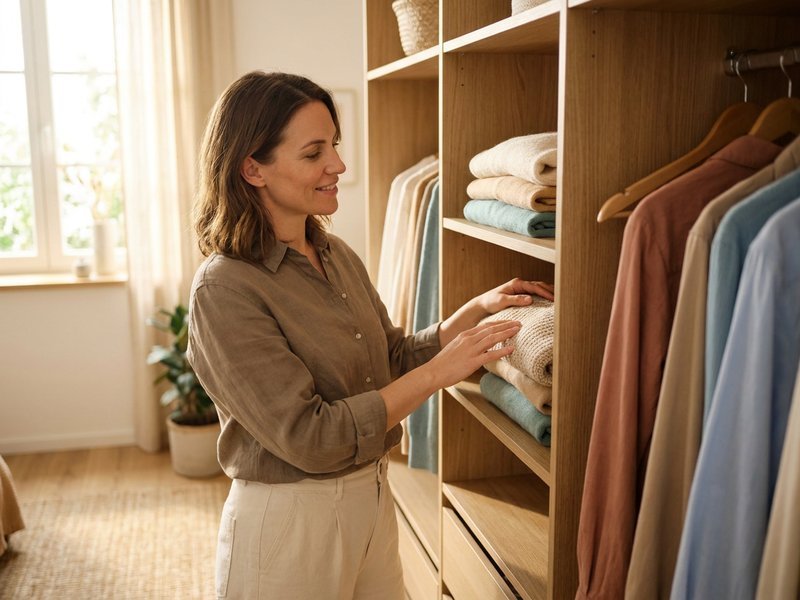
Before replacing anything, look through what’s already at home first. A drawer of half-used candles, a closet with a shirt that just needs a button, a pantry with ingredients for tonight’s dinner already sitting there. Most of what a haul would replace already exists somewhere in the house.
Is Underconsumption Core Just Repackaged Frugality?
Mostly, yes, and that’s not a criticism. One r/Frugal commenter broke down an entire bulk grocery run to the dollar, showing exactly how buying larger quantities of staples like potatoes and rice cut the per-unit cost sharply compared to smaller packages, according to that thread. The math behind underconsumption core is the same math frugal living forums have run for years. What’s changed is packaging, not the arithmetic. The FTC’s consumer alerts page is worth a quick check whenever a “limited time” deal shows up in the same feed pushing restraint, since manufactured urgency undercuts the whole point of the trend.
The Grocery Version of Underconsumption Core
Grocery spending is where underconsumption core gets tested every single week, whether or not anyone’s filming it. There is a specific tightening one mother gets in the bread aisle now: her son’s allergy-safe loaf is up to $11, with no generic version to switch to, according to an account she shared. Her kids are 9 and 14 with appetites to match, and the two things, growing kids and rising prices, arrived at the same time. Does underconsumption core have an answer for a grocery item with no cheaper substitute? Not really. Some costs just get absorbed elsewhere in the budget instead.

Does Underconsumption Core Actually Save Money?
Yes, when it changes an actual purchase decision, not just a video’s aesthetic. The savings show up specifically in three places: fewer impulse buys from social feeds, more items used to the end of their life instead of replaced early, and grocery spending planned around what’s already stocked. Does simply watching underconsumption content without changing a single purchase save anything? No. The trend only pays off at the point of decision, not the point of viewing.
What Underconsumption Core Misses for Households Already Living Lean
The trend can quietly sting for a household that was never choosing underconsumption in the first place, just living it out of necessity. A frequent objection worth naming directly: a trend that celebrates restraint can feel hollow to someone who has never had the option to overconsume. That gap doesn’t make the underlying habits less useful. It just means the framing matters less than the actual dollar decisions underneath it.
Small Ways to Try Underconsumption Core Without Overhauling Your Life
A full household budget rework isn’t required to get something out of this trend, one changed habit is enough to start. A married mother of two in a lower cost of living area described reworking her whole budget after a shift down to one income, pausing a few financial goals for now while staying on track day to day, according to an account she shared. She still had the same $50,000 she’d earned herself before staying home, and losing it stung more than she expected, but the household held. The lesson scales down easily: pause one category, not everything, and let the rest of the budget hold steady.
How Do You Know If Underconsumption Core Fits Your Household?
It fits whenever the goal is redirecting money toward something specific, not restriction for its own sake. A household saving toward a trip, an emergency fund, or debt payoff gets a direct benefit from the trend’s core habits. A household already stretched to the edge gets less from a trend built around choice and more from a plan built around necessity. The Consumer Financial Protection Bureau’s guide to saving and building assets covers turning the money freed up by fewer purchases into an actual savings plan, in about ten minutes.

Anyone ready to compare tools for tracking the savings can see the best budget grocery apps to save on every shop, or start with the frugal living hub for the full list of guides on this site. Two more places worth a look: 15 money-saving hacks smart women use every day for the daily-habit version of this same idea, and 20 things to stop buying to fund your freedom for a specific list to start from.
We’re in a lower cost of living area, married with two kids, and I’m currently staying home while my husband makes right around $50,000, one woman shared. We had to rework our whole budget and accept a few goals going on pause for now. It’s doable, though, and we’re genuinely doing fine day to day. Underconsumption core didn’t invent that math. It just gave it a name worth borrowing.
Found this helpful? Pin this guide so you can come back to it anytime.
Frequently Asked Questions
What exactly is underconsumption core?
Underconsumption core is a 2026 social media trend that pushes back against haul culture, showing what you already own and treating restraint as the goal instead of the next purchase. It grew as a direct reaction to years of unboxing-style content.
Is underconsumption core the same thing as being frugal?
Mostly, yes. The math behind underconsumption core matches what frugal living communities have practiced for years. What changed is the packaging and the platform, not the underlying arithmetic of spending less than you make.
Does underconsumption core actually save money?
Yes, but only when it changes an actual purchase decision. Watching the content without changing a single buying habit saves nothing. The savings come from fewer impulse buys, using items fully, and planning around what’s already stocked.
How do I start practicing underconsumption core?
Pick one category, like clothes or skincare, and set a 30-day pause on new purchases in it specifically. A narrow, single-category pause is easier to finish than a full no-spend month across everything at once.
Is underconsumption core realistic for a household already living on a tight budget?
Yes, though the framing matters less for a household that never had the option to overconsume in the first place. The underlying habits, buying less and using what you have, still help regardless of how the trend is packaged.