Her Own Compass shares financial education and personal experience, not individualized financial, investment, or tax advice. Every situation is different, so please consult a qualified professional before making major money decisions.
The best frugal home tips change a system once instead of asking for daily willpower: a canceled subscription, a repair instead of a replacement, a grocery habit instead of a grocery list. That is the difference between a swap that sticks and one that quietly disappears by March. One reader traced her belief in saving to age 10, when her mother opened a savings account for her and made her set aside part of her allowance monthly, according to an account she shared later. What stuck was watching money grow from setting a little aside, consistently.
The short version: The frugal home tips that actually save hundreds are one-time system changes, not daily discipline: buying secondhand against the calendar, canceling forgotten subscriptions, fixing instead of replacing, and redirecting one grocery habit. Eight swaps done once can free up $100 to $400 a month without feeling like sacrifice.


Save this for later
You will want this again. Pin it to your planning board so it is one tap away when you need it.
Pin it for laterWhat Are the Best Frugal Home Swaps That Actually Save Money?
The best frugal home tips swap a system, not a single purchase, since a system change keeps paying every month without needing to be remembered. Eight categories cover most of the real money in a household budget: secondhand buying, subscriptions, groceries, bulk purchasing, repairs, energy habits, and where the freed-up money goes afterward. Each one below names the actual dollar range it tends to free up, not a vague “save more” promise.
Do all eight need to happen at once? No, and trying that usually backfires. Pick the two that feel easiest first, let them become automatic, then add the next two a month later.
Buy Secondhand Against the Calendar, Not the Child
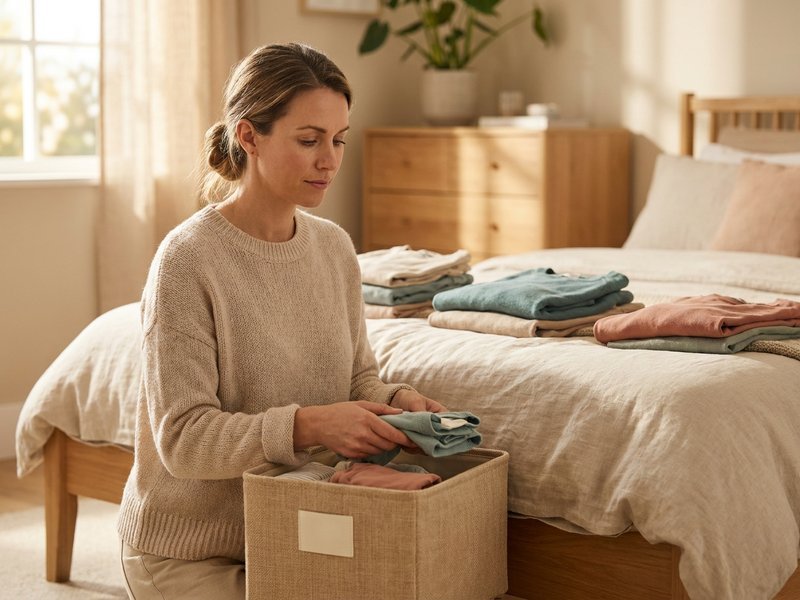
Buying secondhand clothes sized to the season ahead, instead of the child’s current size, stretches every secondhand dollar further and cuts a family’s clothing spend by 50% to 70% compared to buying new at retail. One parent of two boys with an 8-year age gap described the actual system: hand-me-downs come from children younger than her own kids too, since her kids run small for their age, and she buys gender-neutral wherever possible so anything can move across to either child, according to an account she shared.
How This Actually Works for Growing Kids
The trick is buying one size ahead of where a child is right now, not the size that fits today, since kids outgrow clothes faster than adults expect. But doesn’t that mean storing years of clothes nobody’s wearing yet? Only the basics are worth storing long-term. Storing 8 years of wardrobe for a second, younger child is rarely worth the space it takes.
What to Keep vs. What to Sell Right Away
Keep only the basics, plain shirts, pants, pajamas, that any child can wear regardless of trend, and sell the trendier or more distinctive pieces right away through a local resale group while they still have value. That single habit, selling instead of storing what won’t move across kids, turns a closet from a cost center into a small, recurring source of cash back.
Cancel or Downgrade One Subscription You Forgot About
The average household carries $200 to $300 a year in subscriptions nobody actively remembers signing up for, a streaming trial that never got canceled, a app renewal, a delivery membership used twice. Why does this one work faster than any other swap on this list? Because it requires zero ongoing effort after the first ten minutes: open a bank statement, circle every recurring charge, and ask honestly whether each one earned its spot in the last 60 days.
Three places this money hides most often: streaming services stacked past what anyone actually watches, app subscriptions that auto-renewed past a free trial, and membership programs paid annually, which makes the cost easy to forget between charges. Redirecting even one forgotten $12 monthly charge into a savings account adds up to real money by December, without changing a single daily habit.
Swap Your Grocery Habit, Not Just Your Grocery List
The single biggest grocery swap most households overlook is not the list, it is the eating-out habit that quietly drains the grocery budget from the other direction. One woman living alone posted about the levers that actually worked for her: buying meat in bulk and freezing it, buying shampoo, conditioner, and toothpaste in bulk, and setting a hard monthly cap on restaurant spending, according to an account shared in a frugal-living forum. Her own number told the story better than any framework: she cut her eating-out spending from $350 a month to $90, a $260 monthly swing redirected into savings without touching groceries, utilities, or anything she considered a fixed need.
The U.S. Department of Agriculture publishes monthly food price data by category, worth checking before assuming any one swap, meat, dairy, or produce, will move the needle the same way in every region.

Is Bulk Buying Actually Cheaper, or Just Bigger?
Bulk buying is cheaper only for items a household actually finishes before they spoil or go unused, which rules it out for small apartments without freezer space or for anyone living alone. A club membership can save real money, one member reported buying a car through the store’s own auto-buying program for $3,500 under sticker price, a gap alone that covered close to 15 years of membership fees before factoring in the weekly gas discount at the pump.
But is five of anything ever actually a deal? Not automatically. A large-format sale price only pays off if every unit gets used, and a chest freezer stocked without a backup power plan can lose everything in a single 48-hour outage. Run the math on what actually gets used before the bulk size, not just the per-unit price on the shelf.
Fix It Once Instead of Replacing It Twice
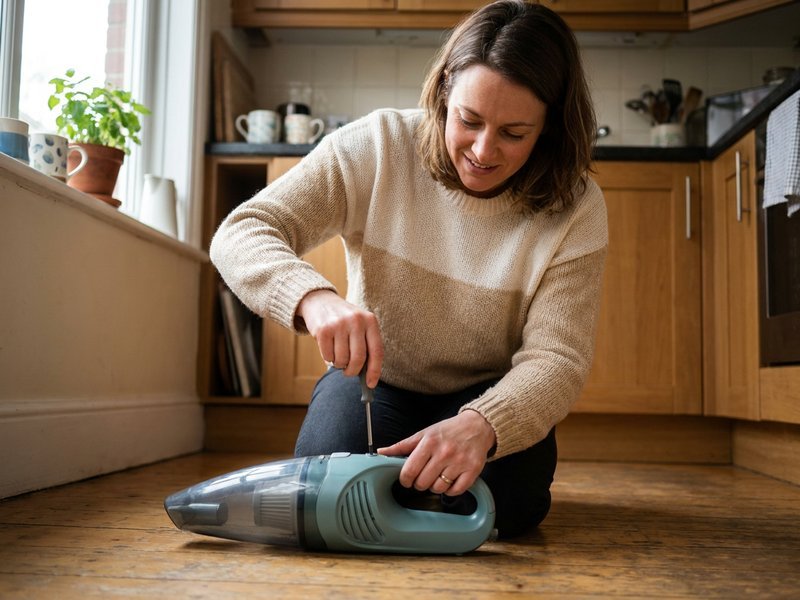
Repairing a working appliance, a vacuum, a washing machine, a laptop, instead of replacing it at the first sign of trouble typically costs 25% to 50% of a full replacement and adds 2 to 5 more years of use. A cracked phone screen, a squeaky vacuum belt, and a slow laptop battery are three of the most commonly replaced-too-soon items, and all three have a repair option that costs a fraction of buying new. Does that mean never replacing anything? No.
This is not always the right call. An appliance failing every few months is telling you something a repair won’t fix. The rule of thumb worth using: repair if the fix costs under half the replacement price and the item is under 7 years old, replace if it is already on its second repair for the same part.
Swap One Energy Habit for an Automatic One
Swapping standard light bulbs for LEDs and setting a programmable or smart thermostat together can cut a household’s energy bill by 10% to 15% a year, and both swaps keep paying without a single daily decision after the initial setup. The mechanism is straightforward: LEDs use about 75% less electricity than incandescent bulbs and last 15 to 25 times longer, and a thermostat set to adjust automatically while everyone is asleep or at work removes the human forgetting to turn the dial.
The One-Time Swaps That Keep Paying
LED bulbs, weatherstripping around drafty doors, and a programmable thermostat are all one-time purchases that require zero ongoing attention once installed. The U.S. Department of Energy’s home energy saver guide breaks down the exact savings range for each, room by room.
The Habit Swaps That Need a Reminder
Washing clothes in cold water and air-drying instead of using the dryer for every load are genuine savings, but unlike the one-time swaps, they need a small reminder to stick, a note on the machine works better than relying on memory alone for the first month or two.
Redirect the Money You Just Freed Up Somewhere on Purpose
Money freed up by these swaps only builds real momentum if it moves somewhere specific on purpose, a named savings goal, a debt payment, a travel fund, rather than dissolving back into everyday spending. Why does naming the dollar actually matter? This is sinking-fund psychology at work: a dollar with a name on it (the emergency fund, the trip fund) is measurably harder to spend on impulse than a dollar sitting in a general checking balance, since spending it now means visibly taking it away from something you already decided mattered.
The Consumer Financial Protection Bureau’s guide to saving and building assets walks through setting up a named savings goal in about ten minutes, which is the only extra step this swap requires.
How Much Can 8 Frugal Home Swaps Actually Save You?
Stacked together, these eight swaps typically free up $100 to $400 a month for a one-income household, depending on how many were already in place before starting. The table below breaks down where that range actually comes from.
| Swap | Typical Monthly Savings |
|---|---|
| Secondhand clothing (against the calendar) | $20–$60 |
| Canceled/downgraded subscriptions | $15–$30 |
| Grocery habit swap (not just the list) | $50–$260 |
| Smarter bulk buying | $10–$40 |
| Repair instead of replace (averaged monthly) | $10–$30 |
| LED bulbs + programmable thermostat | $10–$25 |
Anyone ready to put grocery savings on autopilot can compare the best budget grocery apps to save on every shop, or start with the frugal living hub for the full list of guides on this site. Two more places worth a look: 25 frugal living tips that free up money for travel for more swaps beyond the home, and 20 things to stop buying to fund your freedom for the flip side of this list.
One driver bought a minivan with 32 miles on it and rolled $32,000 of old car debt into the loan, an error she would not repeat, according to an account she shared later. What came next is the part she still holds onto: she kept it until it stopped, its only owner, 13 years and 210,000 miles later. You’re funding this every time a swap sticks. Pick your two easiest swaps and start there.
Found this helpful? Pin this guide so you can come back to it anytime.
Frequently Asked Questions
What are the best frugal home tips that actually work?
The frugal home tips that actually work change a system once instead of asking for daily willpower: buying secondhand ahead of the season, canceling forgotten subscriptions, repairing instead of replacing, and redirecting one grocery habit. Together they typically free up $100 to $400 a month.
How do I start saving money at home without feeling deprived?
Start with the swaps that require zero daily willpower: canceling a forgotten subscription and setting a programmable thermostat both save money automatically after a single ten-minute setup. Save the habit-based swaps, like cooking more at home, for once those two feel routine.
Is bulk buying actually worth it for a small household?
Only for items you reliably finish before they spoil or go unused. A single-person or small household without freezer space usually loses the bulk discount to waste. Check what you actually use up before the size, not just the price per unit on the shelf.
What are good frugal home tips for a one-income household?
On one income, the highest-impact swaps are the ones that need no ongoing willpower: canceled subscriptions, a grocery habit swap instead of just a shorter list, and buying secondhand a size ahead for growing kids. All three keep saving without needing to be remembered daily.
Should I fix an old appliance or just replace it?
Repair if the fix costs under half the replacement price and the appliance is under 7 years old; replace it if it is already on its second repair for the same part. A repair typically costs 25% to 50% of a full replacement and buys several more years of use.